2021TrialShort answer
Q32 (b)
2 marks
Question
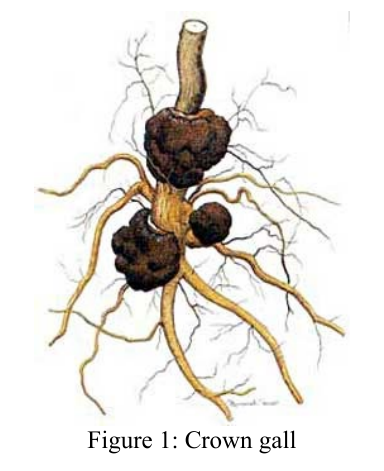
Agrobacterium tumefaciens is a rod-shaped bacterium found in soil. Its flagella allow it to move through the soil in response to chemicals released by wounded plant cells. Once it enters its plant host, it injects a section of its DNA called the T-DNA which is derived from its Ti (tumour inducing) plasmid into its host causing the host to form undifferentiated (tumour) tissue termed a crown gall.
Explain how agrobacterium can operate as a mutagen.
Syllabus alignment
Module 6 · Genetic Change
- Genetic TechnologiesDescribe recombinant DNA techniques and transgenic organisms in agriculture and medicine.
- MutationCompare causes, processes and effects of point and chromosomal mutations.